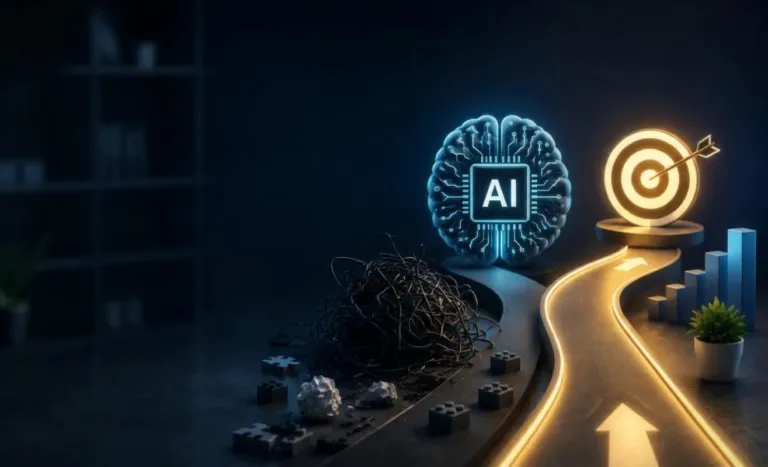


The IKEA Effect: Why We Value What We Build With Our Own Hands
There’s something strangely human about spending three hours assembling a piece of furniture, battling microscopic screws while trying to decode instructions that look worse than a doctor’s prescription.
And then, when it’s finally done… that object stops being “a table.”
Now it’s your table.
Even if it wobbles a little,if there are leftover pieces. Or if a better preassembled version exists somewhere.
That phenomenon is known as the IKEA Effect, a psychological bias that explains why people place higher value on things they actively helped create.
What Is the IKEA Effect?
The IKEA Effect is a cognitive bias identified by researchers from institutions such as Harvard, Yale, and Duke University. The concept takes its name from the famous Swedish furniture brand because it perfectly illustrates the phenomenon: people develop stronger emotional attachment to products they helped assemble themselves.
In simple terms:
The more effort we invest in something, the more valuable we believe it is.
And this goes far beyond furniture.
The IKEA Effect also appears in:
- Personal projects
- Relationships
- Business ideas
- Digital products
- Teams and workplace culture
- Video games
- Branding
- Art
- Online communities
The human brain transforms effort into meaning.
Why Does the IKEA Effect Happen?
The IKEA Effect combines several psychological mechanisms.
1. Effort Creates Emotional Connection
When we invest time and energy into something, it starts feeling like part of us. The object stops being external and becomes personal.
It’s the difference between buying a cake and baking one from scratch. The second cake will almost always carry more emotional value.
2. The Brain Wants to Justify the Effort
Another related concept is cognitive dissonance.
The brain dislikes feeling that it struggled “for nothing,” so it creates a narrative: “If this took so much effort, it must be valuable.”
This psychological shortcut helps justify the energy we invested.
3. Participation Creates Ownership
People commit more deeply to things they feel ownership over.
That’s why many modern companies involve customers in customization, configuration, or creation processes. They’re not just selling products. They’re selling participation.
Real-World Examples of the IKEA Effect
Social Media and Online Communities
Platforms that encourage interaction create stronger attachment because users feel they are helping shape the space itself.
They post. Comment. React. Customize.
Participation builds emotional investment.
Video Games
Many games use the IKEA Effect brilliantly.
When players build cities, upgrade characters, or customize worlds, they develop strong emotional attachment. That’s why losing a saved game can feel like a genuine tragedy.
Marketing and Branding
The strongest brands make people feel part of something.
Examples include:
- Configuring your own products
- Choosing designs
- Building playlists
- Creating avatars
- Personalizing experiences
The more users participate, the stronger the connection becomes.
Remember the famous “Share a Coke” campaign from Coca-Cola, where people could personalize bottles with their own names?
That campaign was a masterclass in emotional participation and customer connection.
Leadership and Team Culture
Teams commit more deeply to decisions they helped create than to decisions imposed from above. Shared ideas generate ownership. Top-down mandates often create distance.
The Dangerous Side of the IKEA Effect
The IKEA Effect is powerful — but not always positive.
Sometimes it causes people to overvalue things simply because they invested time into them.
For example:
- Staying attached to failing projects
- Defending inefficient products
- Resisting necessary change
Sometimes we don’t love something because it’s exceptional.
We love it because we survived the process of building it. And that emotional attachment can cloud judgment.
How to Use the IKEA Effect Intelligently
In Business
Allow customers to participate in customization and configuration. And most importantly: listen to their feedback.
In Leadership
Involving teams in decisions increases commitment, accountability, and engagement.
In Digital Products
The best digital platforms make users feel:
- Progress
- Contribution
- Control
That emotional participation strengthens retention and loyalty.
Why the IKEA Effect Matters More Than Ever
The IKEA Effect reveals something deeply human: Effort leaves emotional fingerprints.
It transforms objects into stories, projects into identity, and experiences into something much harder to replace.
Maybe that’s why some people still keep a crooked shelf they assembled ten years ago as if it were a national artifact. Not because it’s perfect. But because part of them remains screwed into it.
Turn Your Ideas Into Something Real
The best solutions are not born from generic templates or “one-size-fits-all” software. They emerge when ideas are built alongside the right people.
At We Build It, we believe technology works best when there is participation, strategy, and human vision behind the process.
From digital platforms and automation to web development, apps, and UX/UI experiences, we help companies and founders transform concepts into real, scalable, and functional solutions.
Because in the end, people connect more deeply with what they helped build.
And your business shouldn’t feel off the shelf either.
If you have an idea, a process to optimize, or a digital product you want to develop, let’s talk.
We can help you design it, structure it, and turn it into a technology solution built around your growth.
Read more articles

5 Benefits of Nearshore Software Development in LATAM
How much does it cost to build an app?

What is a UX audit and when does your website need one?

Interactive Content for Lead Generation: Practical Guide

Branding for Small Business: Look Established on a Budget

Why cultural compatibility matters in remote tech teams

Web App vs Mobile App: Which is best for your business?

Nearshore Software Development: What it is & benefits

What is AEO? How to optimize your content for AI Search Engines